
Browse hundreds of resources
Explore our extensive library to find toolkits, e-learning courses, best practices, and more!
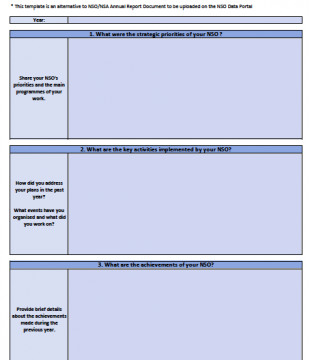
This Annual Report template may be used by National Scout Organizations in submitting their annual reports to WOSM. Please visit support.scout.org for more information.
This course is primarily tailored to enable NSO leaders to develop, implement, and manage strong and effective partnerships to increase the impact of Scouting at different levels.
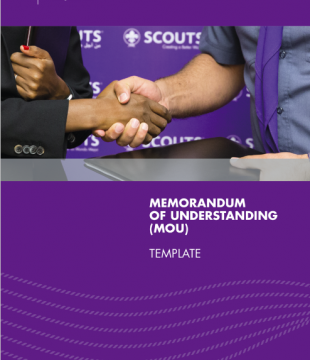
This Memorandum of Understanding (MoU) Template serves to provide guidance for National Scout Organizations (NSOs) seeking to formalise potential or existing partnerships.
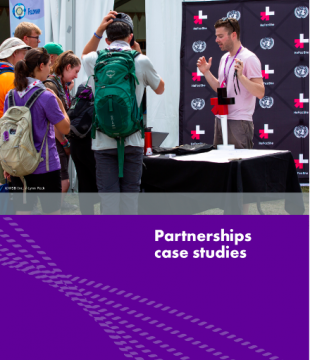
This resource draws on diverse National Scout Organization experiences with partnerships to inspire NSO leaders and Scouts to establish and manage local partnerships and seeks to encourage NSOs to form localised collaborative working relationships with new partners, as well as existing WOSM partn
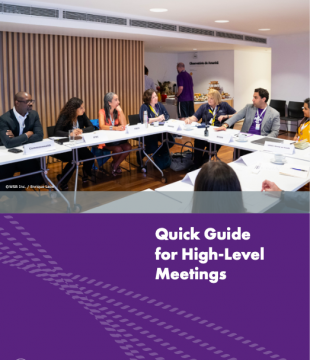
This Quick Guide for High-Level Meetings was created for NSO leadership to understand how to prepare for high-level meetings with government officials, potential donors, heads of other non-governmental organizations, or other important figures.
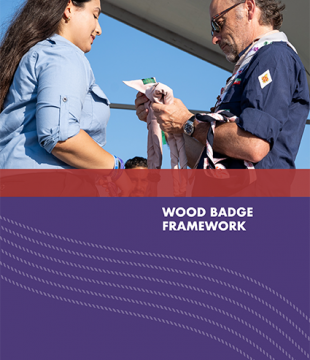
The Wood Badge is a common standard that identifies the levels of training and development required by Adults in Scouting to perform certain roles. This includes the basic levels expected and also those at a more advanced level which leads to the attainment of the Wood Badge.
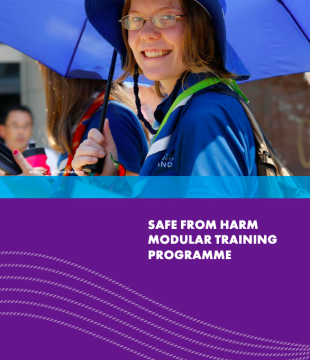
The purpose of this training material is to support the NSO/NSA structures responsible for the development of a safe Scouting environment (Adults in Scouting National committee, training teams, Safe from Harm committee, teams, and/or working units) to provide a minimum level of implementation of
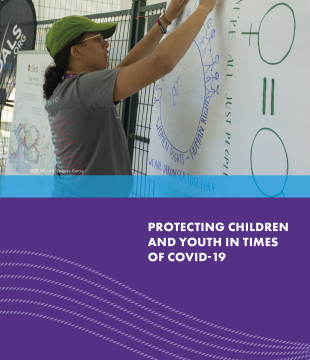
Although children are not the face of this pandemic, they risk being among its countless victims. While they have been largely spared from the direct health effects of COVID-19 - at least to date – the crisis is having a profound effect on their wellbeing.
In this course you will learn about the importance of having national policies in your NSO and follow a guide that is easy to apply for its formulation. Together we can make the World a better place! This course is available in English and Spanish.